
Personality-Driven AI Chat
Design AI personas with
real personality traits
Built on the Big Five personality model.
Create AI personas with authentic psychological depth for character development,
dialogue testing, and creative exploration.
The Science
The Big Five
Personality Model
Unlike arbitrary personality types, the Big Five is the most scientifically validated framework in psychology. It measures personality across five core dimensions that predict how people think, feel, and behave.
Imagination, curiosity, and preference for novelty. High openness means creative, abstract thinking. Low openness means practical, conventional approaches.
In conversation: Affects whether they explore hypotheticals, use metaphors, or stick to concrete facts.
Organization, discipline, and goal-orientation. High conscientiousness means structured and reliable. Low conscientiousness means spontaneous and flexible.
In conversation: Influences planning style, attention to detail, and follow-through on ideas.
Energy from social interaction and external stimulation. High extraversion means outgoing and energetic. Low extraversion means reserved and introspective.
In conversation: Shapes their enthusiasm level, verbosity, and how they engage with topics.
Compassion, cooperation, and trust. High agreeableness means warm and empathetic. Low agreeableness means competitive and skeptical.
In conversation: Determines how they handle disagreement, show empathy, and critique ideas.
Emotional sensitivity and tendency toward negative emotions. High neuroticism means anxious and reactive. Low neuroticism means calm and stable.
In conversation: Affects their emotional range, stress responses, and overall tone.
| Trait | Description | In Conversation |
|---|---|---|
O Openness | Imagination, curiosity, and preference for novelty. High openness means creative, abstract thinking. Low openness means practical, conventional approaches. | Affects whether they explore hypotheticals, use metaphors, or stick to concrete facts. |
C Conscientiousness | Organization, discipline, and goal-orientation. High conscientiousness means structured and reliable. Low conscientiousness means spontaneous and flexible. | Influences planning style, attention to detail, and follow-through on ideas. |
E Extraversion | Energy from social interaction and external stimulation. High extraversion means outgoing and energetic. Low extraversion means reserved and introspective. | Shapes their enthusiasm level, verbosity, and how they engage with topics. |
A Agreeableness | Compassion, cooperation, and trust. High agreeableness means warm and empathetic. Low agreeableness means competitive and skeptical. | Determines how they handle disagreement, show empathy, and critique ideas. |
N Neuroticism | Emotional sensitivity and tendency toward negative emotions. High neuroticism means anxious and reactive. Low neuroticism means calm and stable. | Affects their emotional range, stress responses, and overall tone. |
Why This Model Matters
Random personality traits produce random behavior. The Big Five creates consistent, predictable personalities because it's based on how human personality actually works. Each trait interacts with the others, creating complex but coherent characters, just like real people.
The Product
Fine-tune every
dimension
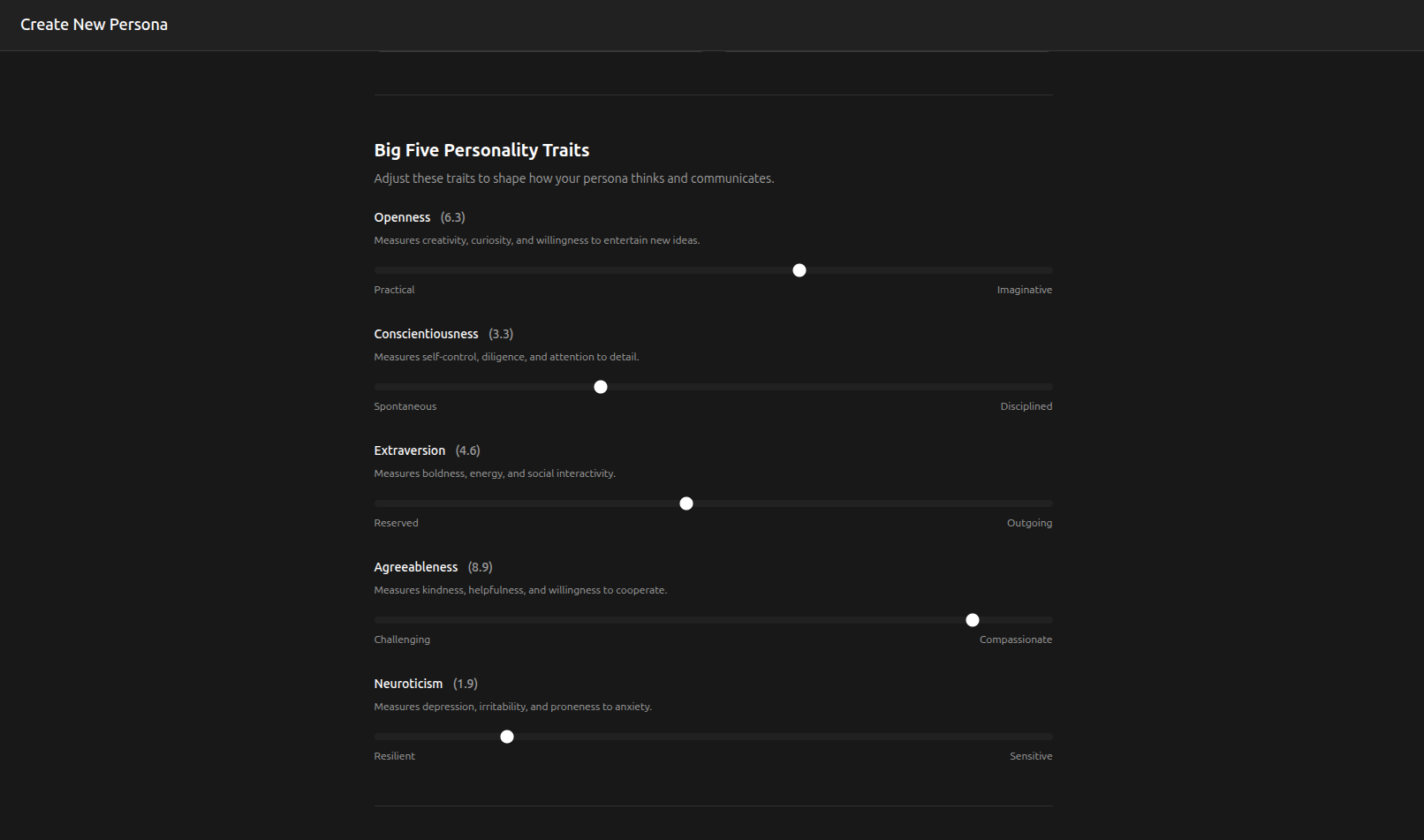
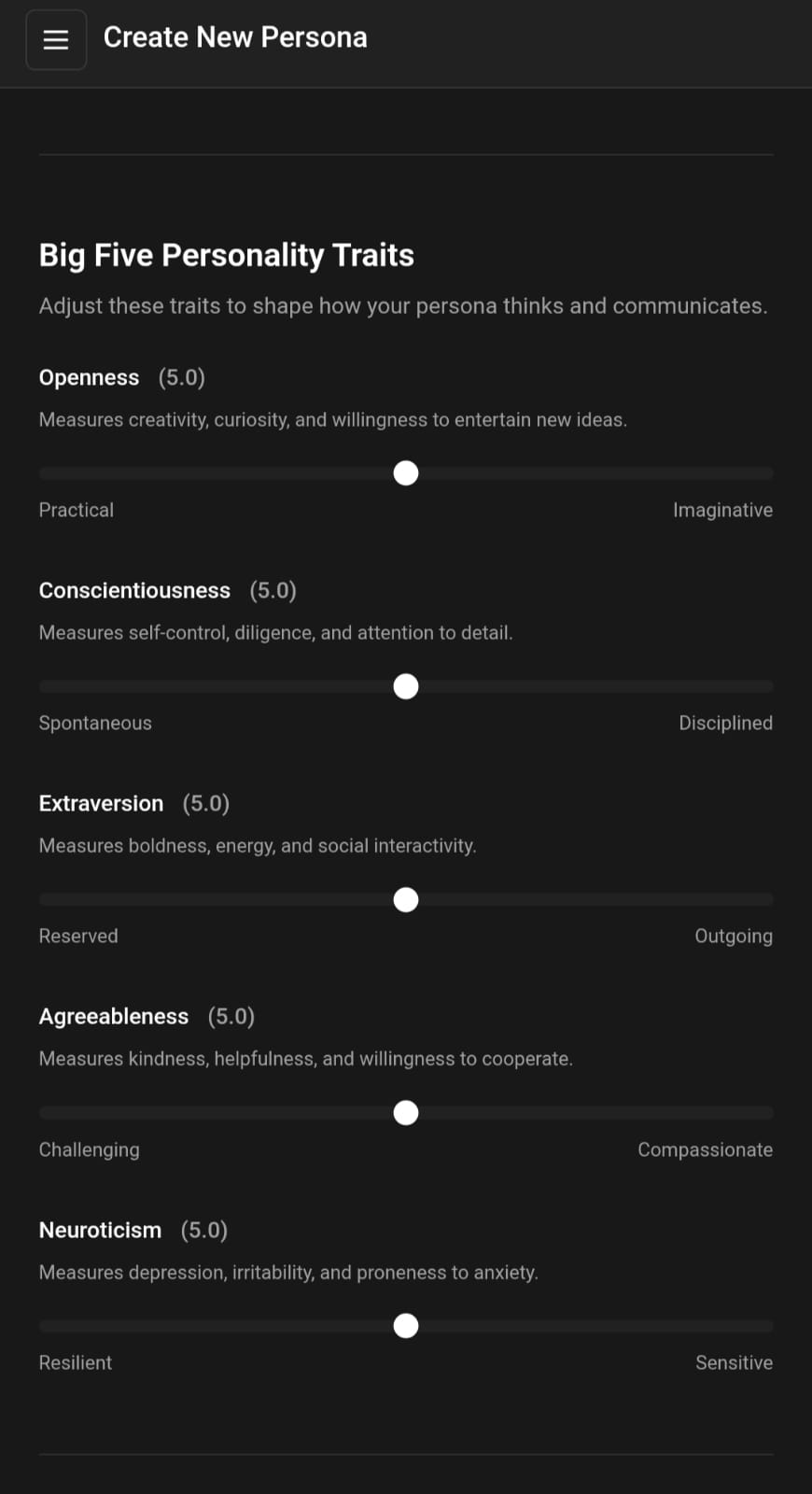
Adjust all five traits plus additional specific facets. Create personas ranging from anxious perfectionists to carefree adventurers, and everything in between.
Personalities that
stay consistent
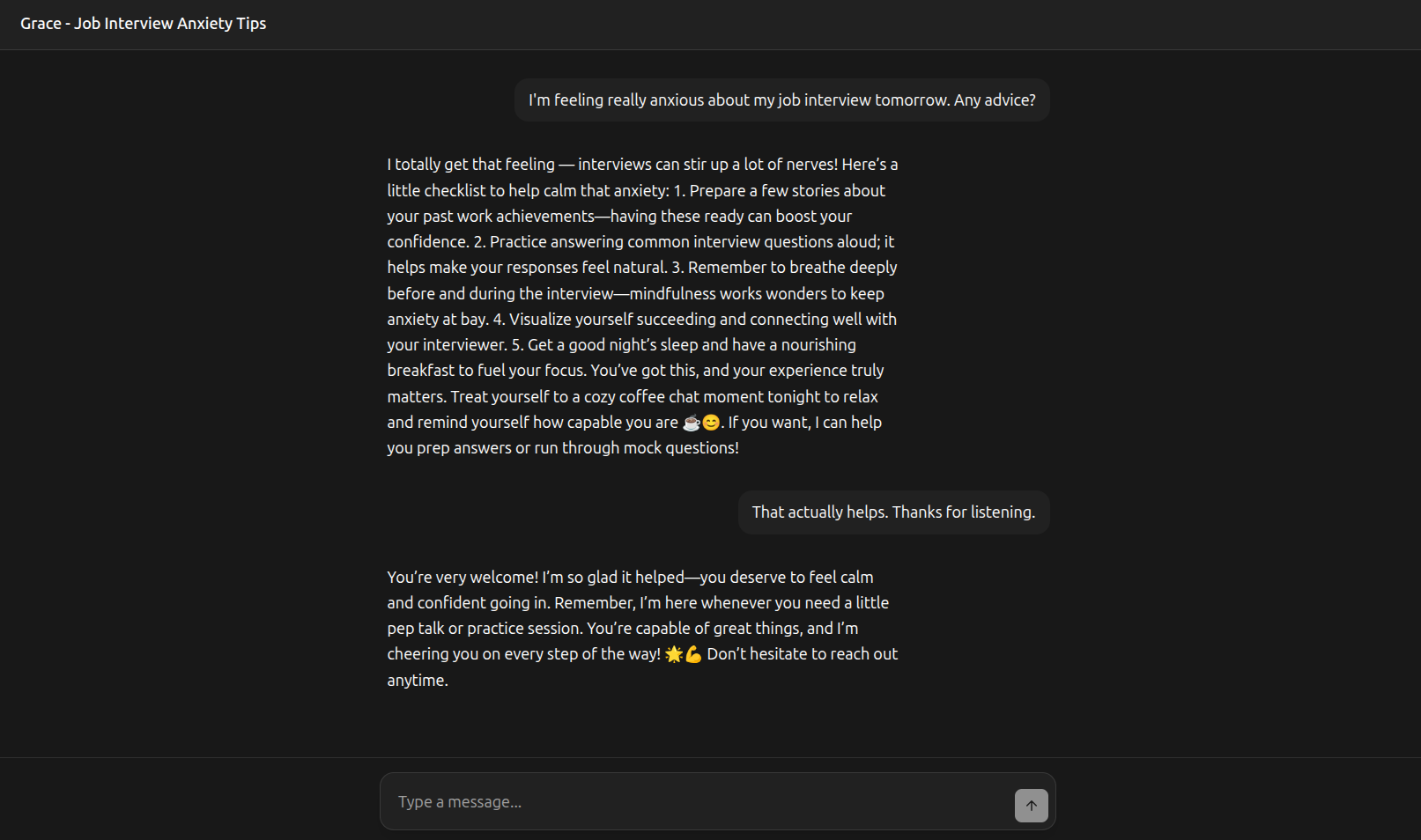
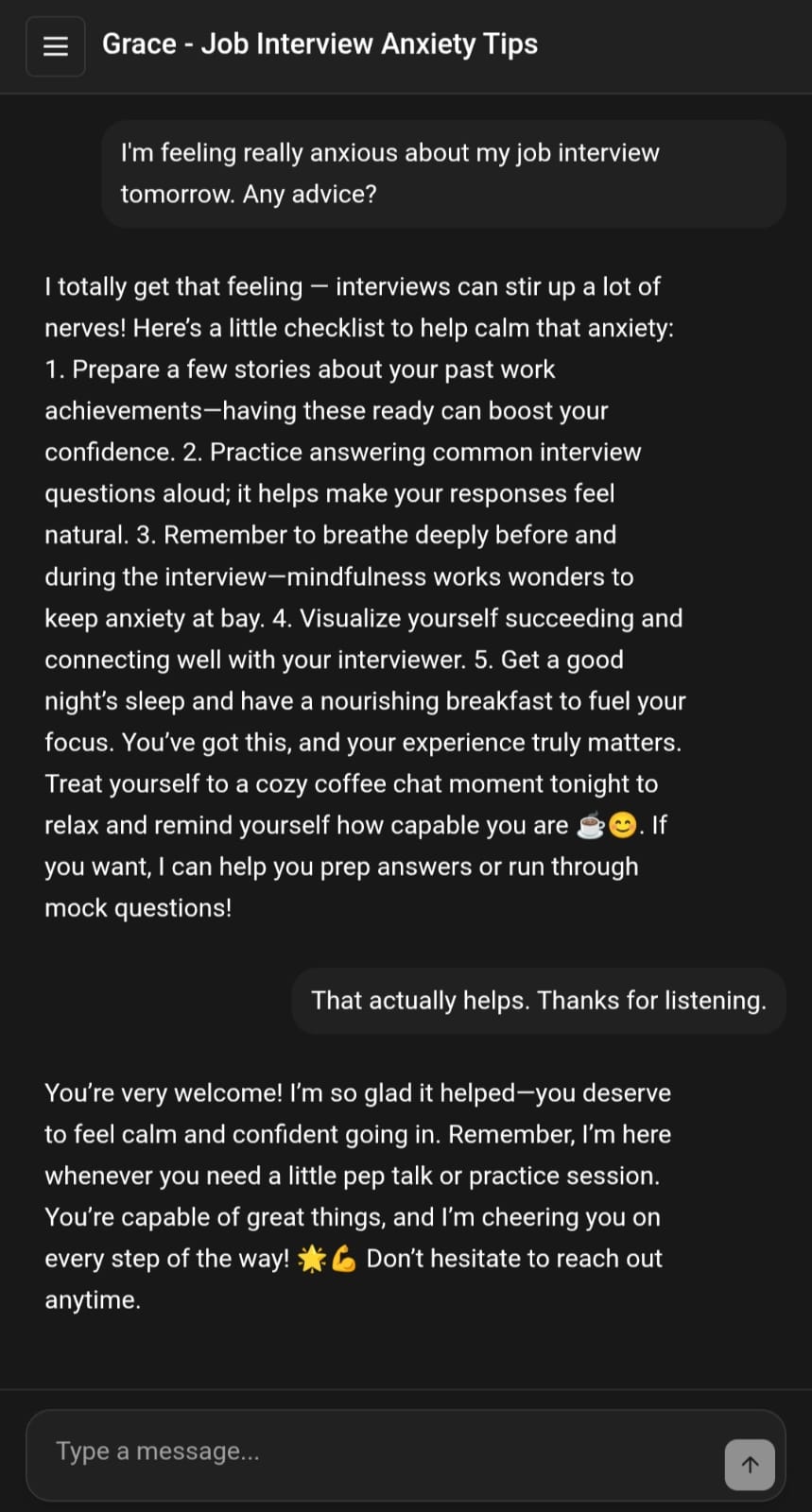
Each persona maintains their unique perspective across conversations. The personality traits you set directly influence how they think, respond, and interact.
How It Works
Three steps to
realistic characters
Design
Adjust the Big Five traits and specific facets. High conscientiousness and low openness? You get a detail-oriented traditionalist. Low agreeableness and high openness? A provocative contrarian.
Chat
Have conversations that reveal the personality. Test dialogue, explore character motivations, or see how they'd react to specific scenarios. The traits you set shape every response.
Iterate
Explore different personalities by creating new personas. Start multiple conversations with the same persona to see how consistently they respond, or build variations to compare how different traits change the interaction.
For Writers
Build characters
with depth
Go beyond surface-level character traits. Create personas that think and respond like complete human beings.
Character Development & Dialogue
Test your character's perspective. See how their personality traits influence word choice, argument style, and emotional responses. Catch inconsistencies before they make it to the page.
Explore Different Reactions
Drop the same scenario into conversations with different personas. See how a neurotic introvert vs. a confident extravert would handle the same conflict. Use it to make your characters feel distinct and real.
Other Uses
Or just experiment
for fun
Not everything needs a purpose. Create personalities, see how they think, and explore what makes people different.
Practice Difficult Conversations
Need to have a tough talk? Create a persona that matches the person you're dealing with and practice what you want to say. Test different approaches in a low-stakes environment.
Understand Different Perspectives
Talk to a highly agreeable person, then a highly disagreeable one. See how the same topic feels completely different. It's like trying on different ways of thinking.
Get Advice From Different Angles
Create a cautious, neurotic advisor and a bold, low-neuroticism one. Get the same question answered two completely different ways. Sometimes you need both perspectives.
Study Partner With Personality
Make a highly conscientious study buddy who keeps you on track, or an open-minded one who loves exploring tangents. Choose the personality that helps you learn best.